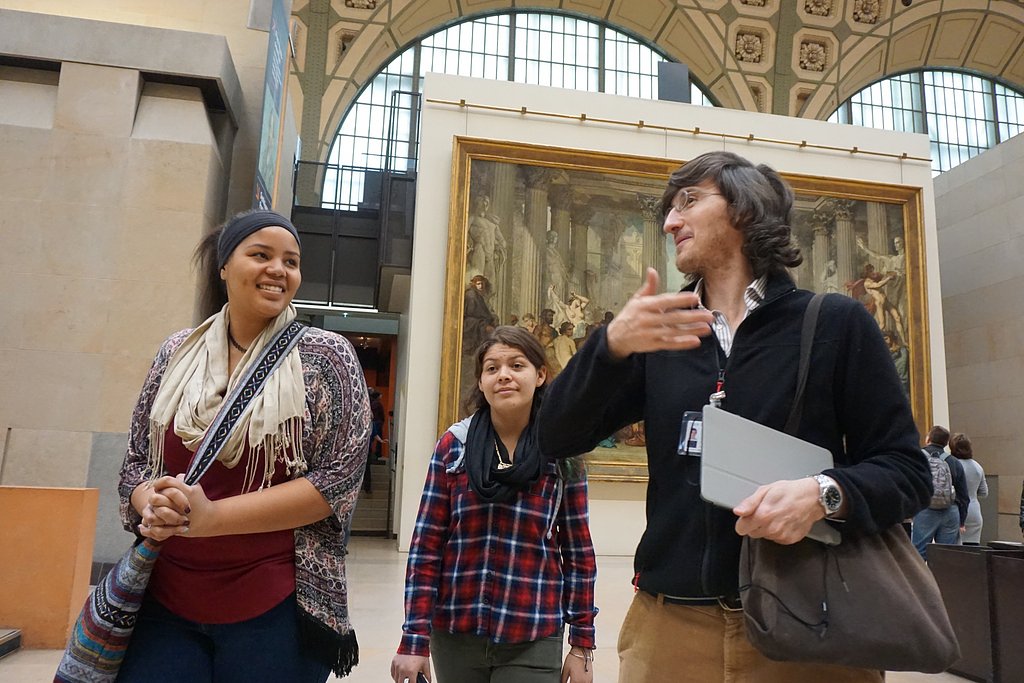
Punctual and professional. We enjoyed our tour of Orsay as we were fighting jet lag. Aileen provided context and history of the art plus she added her personal touch by bringing an iPad to show us additional images of art. It was amazing!
Musée d'Orsay Tour: Advent of Impressionism
Witness how 19th-century art became a modern language
At the d’Orsay, trace how a station clock, Manet’s scandals, and Monet’s light taught Paris to see itself in a modern light.
Tour Highlights
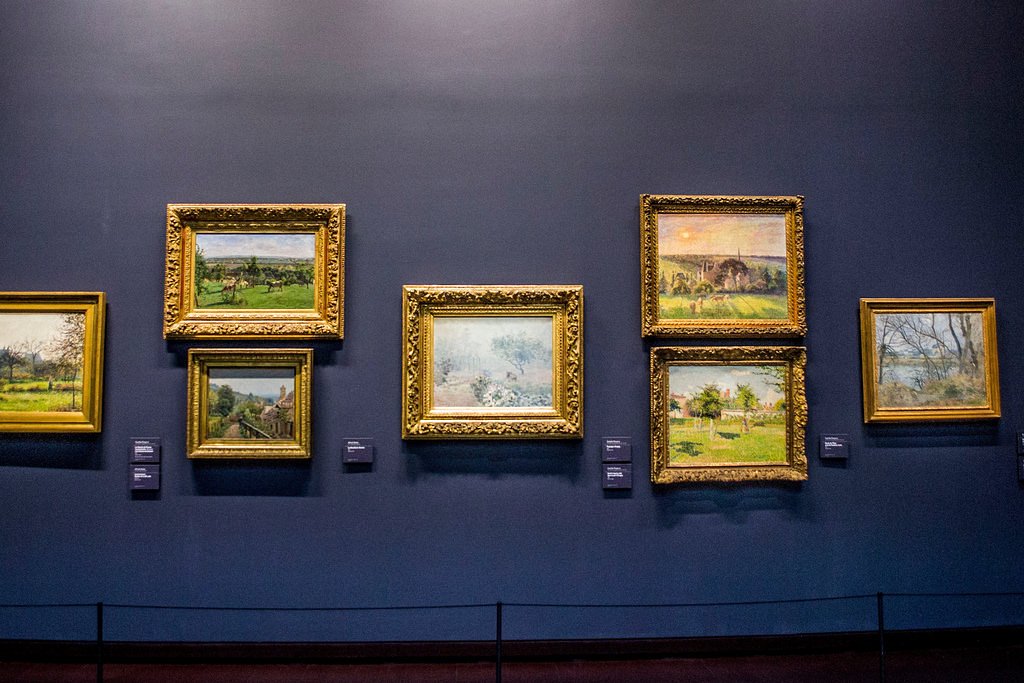
- Make Impressionism click See how fleeting light, loose brushwork, and modern leisure made Impressionism radical.
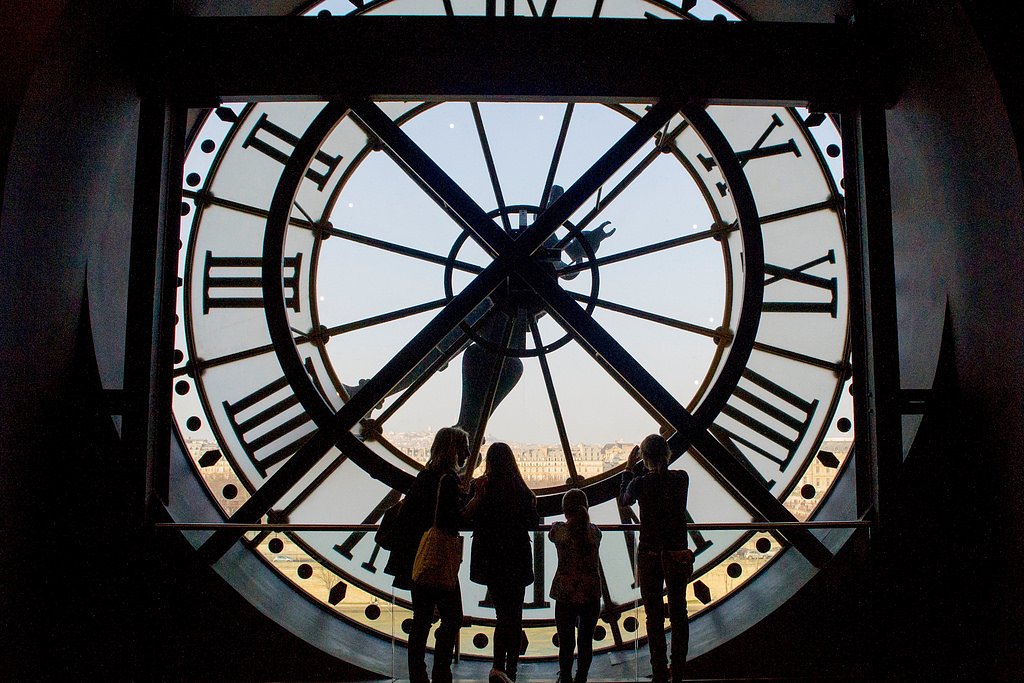
- Discover the clock’s meaning Connect rail travel, shared time, and Orsay’s clock to art made for a faster age.
- Meet Manet’s bold Olympia Discover how one cool, direct stare unsettled Paris and changed the rules of looking.
- Spot Haussmann’s new Paris Find fresh boulevards, cafés, and crowds inside paintings of a city still remaking itself.
- Follow a no-maze route Move through major works with an art historian who keeps the story clear and alive.
- Make the art matter Leave with clear context that turns scandal, light, and real-world influence into lasting memories.
Led by Experts, Shaped by You
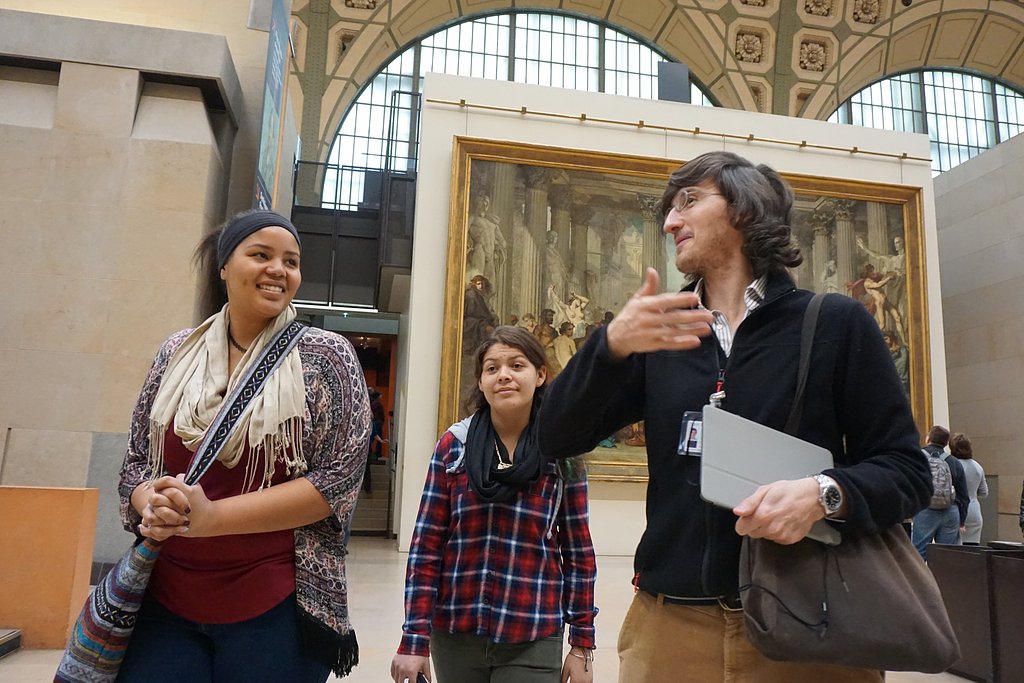
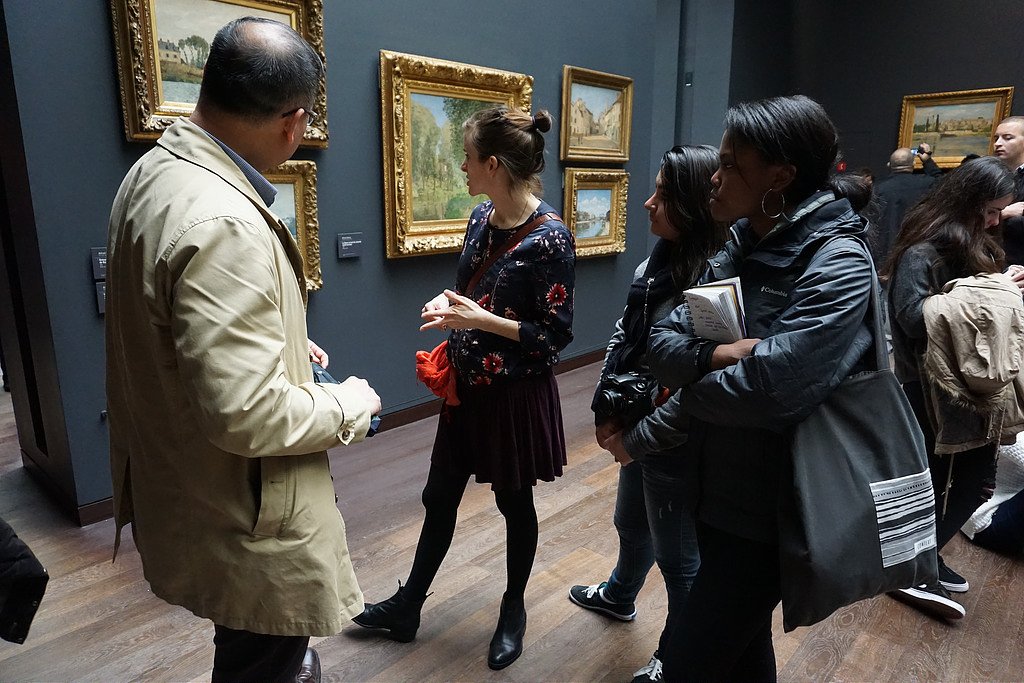
Explore with an expert guide who responds to your questions, your interests, and your pace. Reveal layers of meaning most visitors miss—go from seeing to understanding.
The Finer Details
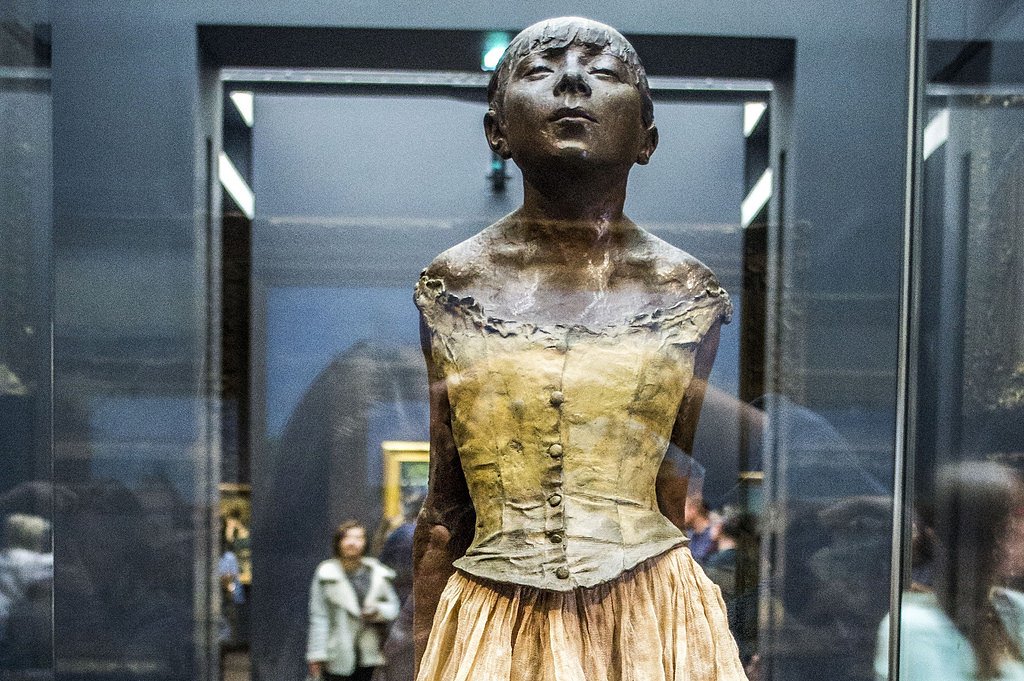
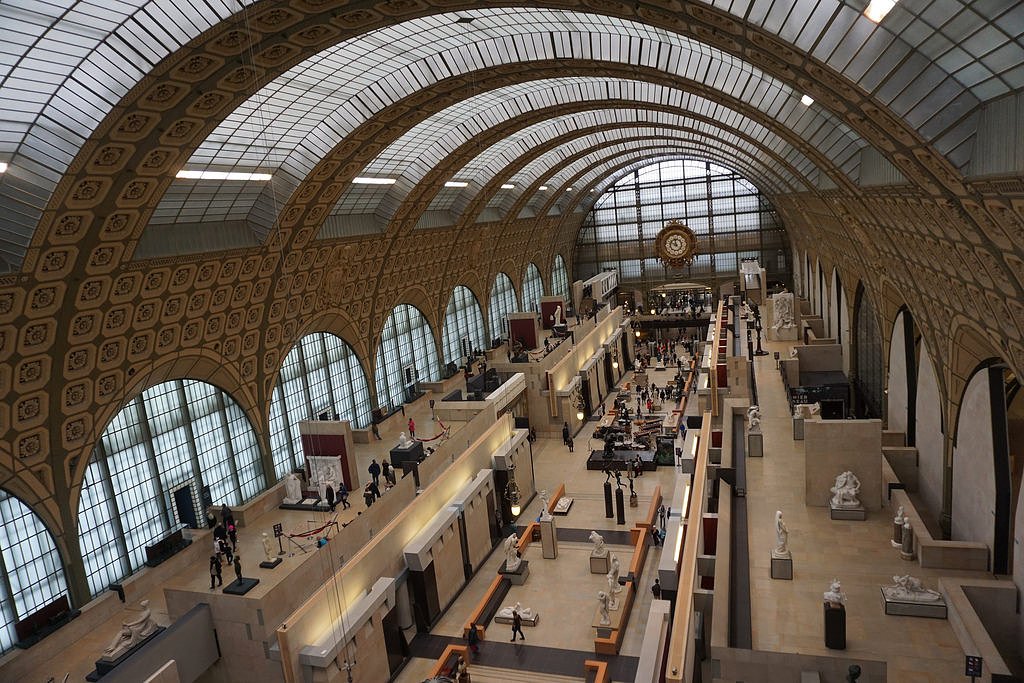
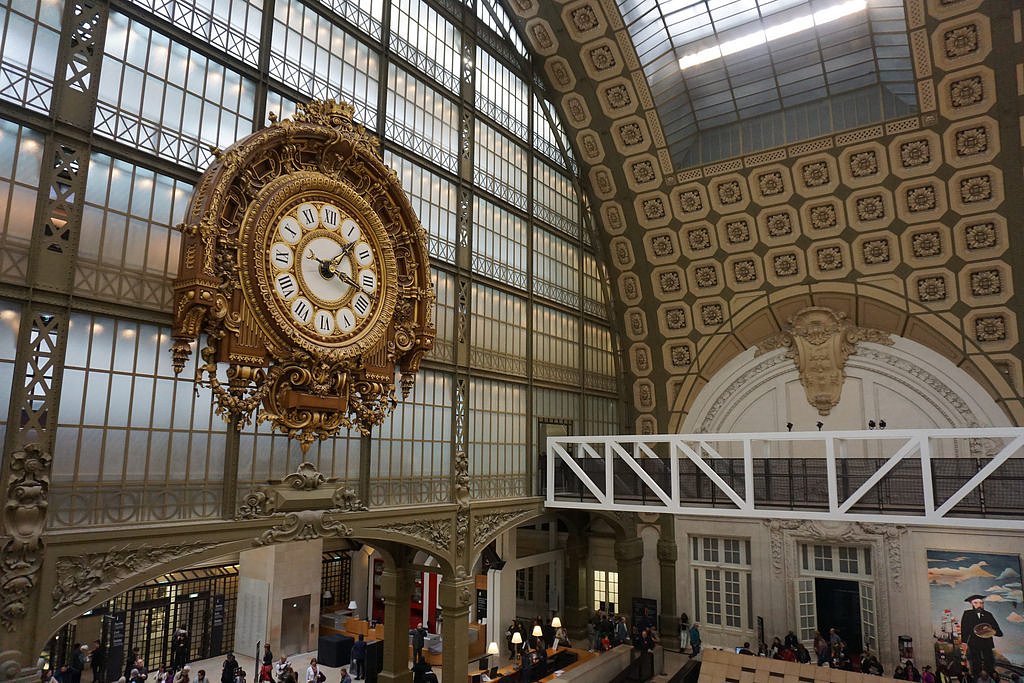
Enter the Musée d’Orsay, where Paris traded train platforms for brushstrokes, sculpture, and radical new ways of seeing. Light filters through the former Beaux-Arts railway station, illuminating iron arches, old platforms, and those monumental clocks, instilling a sense of movement before a single canvas comes into view. From Manet’s cool stare to Monet’s use of shifting light, your Context Expert makes the museum feel less like a greatest-hits parade and more like the moment modern artists began painting the world as they saw it.
The building is part of the collection. The former Gare d’Orsay once moved passengers through Paris. Rail travel helped standardize time in the 19th century, when timetables made shared clocks essential. Your Expert links the famous station clock to train journeys that carried Impressionist painters beyond Paris, where speed, weather, and changing landscapes altered what they chose to paint.
On the ground floor, take time to notice what came before the bright Impressionist galleries. Barbizon School landscapes and naturalist works by Jean-Baptiste-Camille Corot move attention toward ordinary life, labor, weather, and direct observation. What changed when artists stopped polishing the world into ideals and started watching the field? The road and sky? The worker?
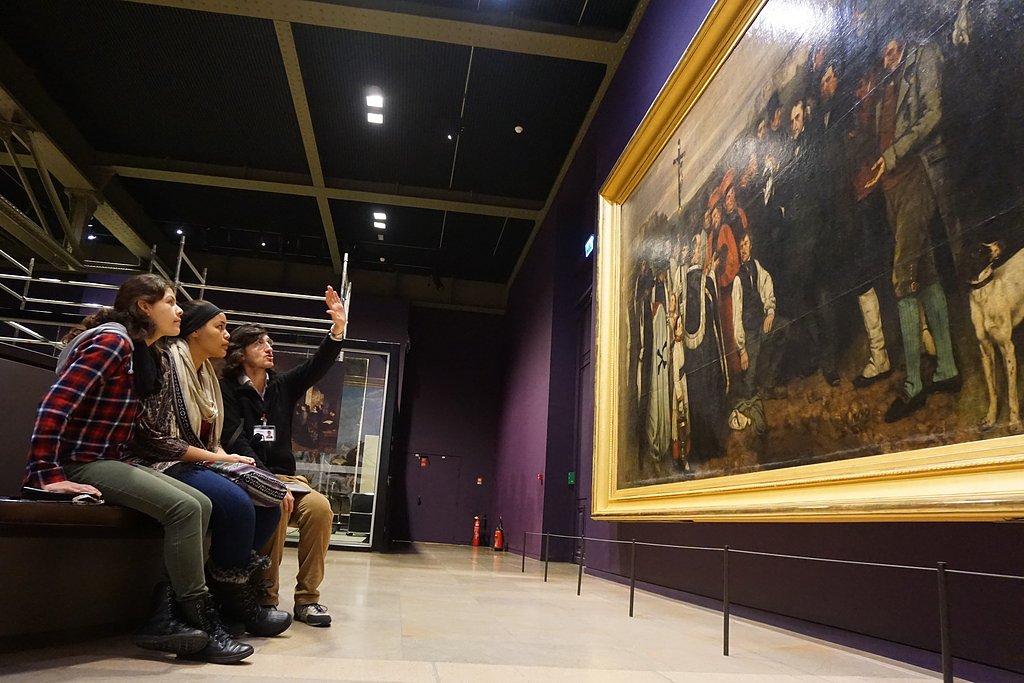
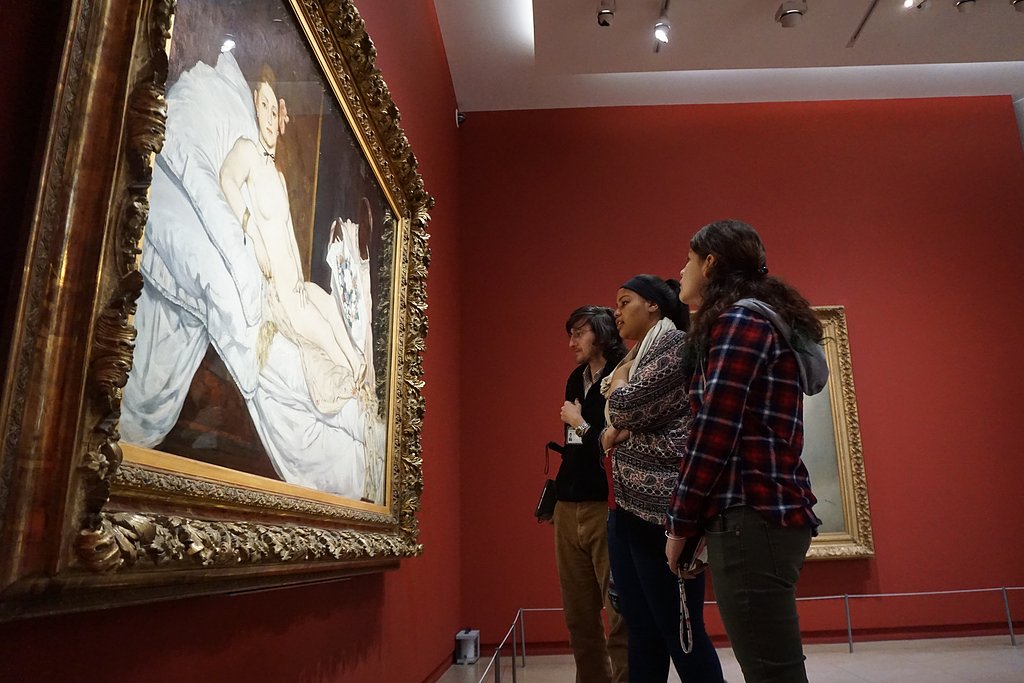
Realist artists like Gustave Courbet and Édouard Manet sharpen that question. Standing before Manet’s Olympia you can feel the charge emanating from the painting: a pale bed, a dark ribbon, a gaze that does not soften itself for the viewer. Your Expert unpacks the technique and social tension behind the uproar this work caused, revealing why the scandal was not nudity alone but the painting’s refusal to let Paris look away.
From there, the museum opens into Impressionism and the city that made it possible. Haussmann’s new Paris appears in boulevards, apartment blocks, cafés, stations, and crowds. These were not nostalgic scenes, but fresh facts of urban life. Monet’s light and Manet’s modern faces begin to read as evidence, not decoration, showing a capital and the people within it changing almost faster than paint could dry.
By the end of this Orsay Museum tour, the rehabilitated train station feels less like a maze of masterpieces and more like a conversation between canvases. Your Context Expert helps you tune in, connecting brushwork, influence, scandal, and the modern life that gave these works their charge. Leave with the satisfying jolt of recognition: works you have seen in books, posters, and classrooms now carry politics, personalities, scandals, and stakes.
"Educational, entertaining, and fascinating"
Pauline was very knowledgeable of the art and thoughtfully guided my daughter and me through the Musée d’Orsay while providing excellent context of the evolution of the artworks, and various reception of them within the social constructs of the time, and the important current events of the time period represented by the museum. Educational, entertaining, and fascinating for myself and for my teenager!
"Marveled at the range of information"
Fantastic, educational and engaging walk through, not only the history and art of the Musée d'Orsay, but with Lindsay's tales, French history and culture as well. Our group of 6 adults - older and younger, all marveled at the range of information - art history, architecture, French society and history, and the artists--their lives, their works, and their commentary.
Meet the Experts

























































%20-%202026-04-23T140946.304.png)
Where You’ll Go
From iconic landmarks to tucked-away local favorites, these are the places you’ll explore and experience firsthand with your Expert.
-
Musée d'Orsay
What’s Included As Standard
Here’s a look at what your tour covers, plus anything you’ll want to consider arranging separately, so you can plan with confidence.
Included
-
English-speaking expert guideTours led in English, offering you unbroken understanding throughout.
-
Intentionally sized groupsA smaller group means more time for conversations and questions.
-
Tickets and entrance feesAll entry tickets included (unless clearly stated otherwise).
-
HeadsetsHeadsets are included on tours that need them, so every word can be heard.
Not Included
-
GratuitiesTips aren’t included, but we encourage tipping as a way to thank your guide after your experience.
-
Food and drinkUnless booking a Food & Drink tour or tasting experience, refreshments are not included.
-
Transportation to and from the meeting pointUnless noted, pre- and post-tour transport isn’t included - this service can be added by request.
-
Hotel pickup or drop-offUnless noted, travel to or from accommodation isn’t included - this service can be added by request.
Where You'll Explore
Make the Most of Your Tour
Some helpful advice for getting the most from your experience, from practical prep to small on-the-day tips.
Dos:
- Wear comfortable footwear
- Check the weather and dress appropriately
- Bring a bottle of water (no glass)
- Feel free to ask your Expert anything
Don'ts:
- Bring firearms or weapons
- Bring sharp objects (e.g. knives, swiss army knives, switchblades, hiking sticks)
- Dress inappropriately to enter religious sites or sacred monuments
Any questions? You can always
contact us.
Frequently Asked Questions
No, unfortunately, due to venue reservation restrictions, we cannot accommodate groups larger than 6 people. If your group is larger, we recommend you split into multiple groups.
The Musée d’Orsay is very busy and not as spacious as the Louvre. We recommend visiting the museum when it is open late on Thursday evenings.
Book with confidence — see Context's flexible cancellation policy here.
We understand that some of our valued guests may have mobility concerns, and we want to ensure you have a comfortable and enjoyable experience throughout your tour. If there are any accessibility concerns that your tour guide will need to be aware of, please let our team know at the time of booking.
Wheelchair accessibility
Wheelchairs are accessible for all wheelchair users.
Service dog accommodations
Service dogs are welcome and can be accommodated on this tour.
See the d'Orsay with Context
Get to know one of the art historians leading this tour
Don’t just take our word for it
Marie was excellent, insightful, funny and a subject matter expert - we loved our tour.
Great job! Very informative tour.
Let Your Curiosity Shape Your Journey
Join passionate experts on intimate walking tours that reveal a city’s unique stories, spark conversations, and leave you seeing the world—and yourself—a little differently.
Structured, never scripted
Your interests guide your Expert, leading to stories and perspectives that matter to you.
Crafted for conversation
With 12 or fewer guests, ask questions, engage with your Expert, and fully immerse yourself.
Experts, not guides
Explore with 1,200+ Experts—from historians and architects to archaeologists and chefs.
Related experiences our customers also loved



Musée d’Orsay Tour
The Musée d’Orsay is often described as an Impressionist museum, but Impressionism makes more sense when you see what came before it. The collection spans the decades from 1848 to 1914, a period when Paris was being rebuilt, rail travel was accelerating movement, photography was changing how images were made, and artists were increasingly turning toward contemporary life. The museum itself occupies a railway station built for the 1900 Exposition Universelle, making the building unusually well matched to the art inside it. On this Musée d’Orsay tour, an art historian helps connect those changes. Rather than moving directly from Monet to Renoir to Degas, the visit traces how Realism, new subjects, changing audiences, and a faster modern city created the conditions for Impressionism to emerge. The result is a clearer answer to a larger question: why did artists suddenly begin painting modern life so differently?
Impressionism was not simply a new painting technique. It developed within a city undergoing major social and physical change.
Paris gained broad boulevards, railway stations, cafés, parks, theaters, department stores, and new forms of public leisure. Trains made it easier for artists to leave the city and paint rapidly changing light and weather outside it. New pigments and portable materials also changed where and how artists could work.
At the same time, painters were challenging the subjects and finish traditionally valued by the official Salon. Artists such as Monet, Renoir, Pissarro, Degas, and Manet approached modern landscapes, crowds, entertainment, domestic life, and work with increasing freedom of brushwork and composition. The Musée d’Orsay itself describes Impressionism as emerging from several different artistic currents rather than from one unified style.
Seen in this context, Impressionism becomes less about recognizing a blurry brushstroke and more about understanding a new way of looking at a society changing around the artist.
Today, Manet’s Olympia is one of the Musée d’Orsay’s most familiar paintings. When it appeared at the Salon of 1865, it provoked a very different reaction.
Manet borrowed from the long tradition of the reclining female nude, but replaced an idealized mythological figure with a recognizably contemporary woman who meets the viewer’s gaze directly. The Musée d’Orsay notes that both the subject and Manet’s uncompromising treatment challenged academic conventions and contributed to the hostility surrounding the painting.
The scandal is useful because it shows that artistic change is rarely obvious in the moment. Works that now hang comfortably inside national museums were once considered inappropriate, unfinished, or fundamentally wrong. Olympia eventually entered the French national collection only after Claude Monet organized a public subscription to purchase it from Manet’s widow and give it to the state in 1890.
That history adds another layer to the museum: the Musée d’Orsay does not simply preserve masterpieces. It also preserves the record of how ideas about what counted as important art changed.
Choose this Musée d’Orsay Tour if you want to understand the transition from nineteenth-century Realism into Impressionism and the beginnings of modern art. The tour lasts approximately three hours and is particularly well suited to travelers interested in Manet, Monet, Renoir, Degas, Parisian life, and how artistic movements respond to social change.
If you want a broader sweep of Western art across many centuries, the Louvre Tour is the stronger choice.
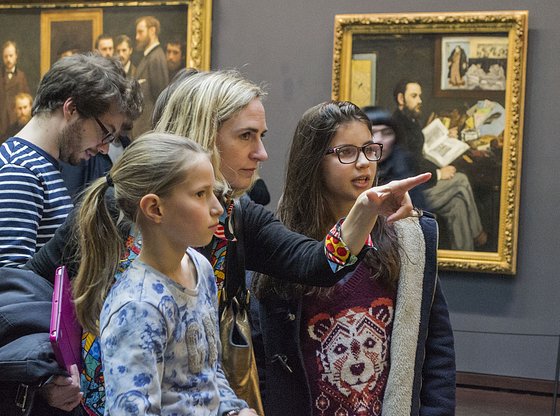
If you are traveling with younger children, Context’s Musée d’Orsay Tour for Kids uses a family-specific format built around participation and visual discovery.
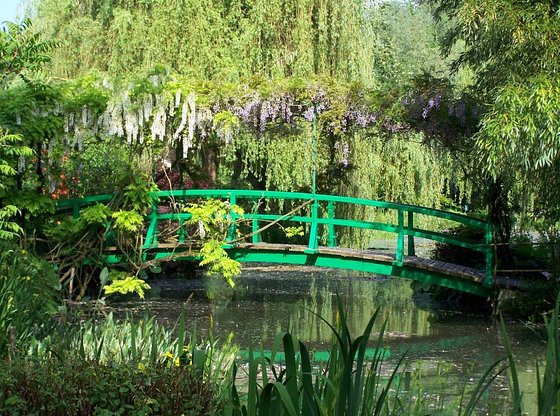
If Monet and Impressionism are your primary interest, the Giverny Tour from Paris continues the story outside the museum by visiting the landscape the artist deliberately created around his home.
Travelers who want more context before arriving can also use Context’s Treasures of Musée d’Orsay: A Pre-Trip Guide for trip inspiration.
How long is the Musée d’Orsay Tour?
The tour lasts approximately three hours.
Is a guided Musée d’Orsay tour worth it?
It can be particularly useful if you want to understand how the works relate to one another rather than simply locate famous paintings. An art historian can connect Realism, Manet, Impressionism, Parisian modernization, and later developments into a coherent progression.
What artists will we see at the Musée d’Orsay?
The collection includes major works by artists such as Manet, Monet, Renoir, Degas, Courbet, and other important nineteenth-century artists. Specific works or rooms can occasionally be unavailable, so individual paintings should not be treated as guaranteed.
Does the tour include Olympia?
Olympia is one of the important works discussed on the current route. Its significance lies not only in its fame, but in how it challenged the conventions of the academic nude and helped redefine what modern painting could address.
Why is the Musée d’Orsay inside a train station?
The building was originally the Gare d’Orsay, constructed for the 1900 Exposition Universelle. It was later converted into a museum devoted primarily to art from 1848 to 1914.
That history makes the building particularly relevant to a collection concerned with a period shaped by industrialization, rail travel, and modern urban life.
Is the Musée d’Orsay better than the Louvre?
They serve different interests. Choose the Musée d’Orsay if Impressionism, nineteenth-century Paris, and the beginnings of modern art are your priorities.
Choose the Louvre for a collection spanning a much longer period and including ancient civilizations, Renaissance art, and European painting across many centuries.
Is the Musée d’Orsay very crowded?
It can be, particularly around the major Impressionist galleries. Context recommends Thursday evening, when the museum remains open late, as a potentially better time to visit.
Are Musée d’Orsay tickets included?
Yes. Admission is included with the tour.
Is the Musée d’Orsay wheelchair accessible?
Yes. The current page states that wheelchair users can be accommodated and service dogs are welcome.
What is the difference between Impressionism and Realism?
Realist artists increasingly turned toward ordinary people, work, landscapes, and contemporary subjects without idealizing them. Impressionists continued that interest in modern life but experimented further with light, atmosphere, movement, and looser brushwork.
Seeing both at the Musée d’Orsay makes the transition between them easier to understand.
Can I prepare for the Musée d’Orsay before my trip?
Yes. Context offers a Treasures of Musée d’Orsay: A Pre-Trip Guide, designed to give visitors more context before entering the museum.