How many days do you need in Rome?
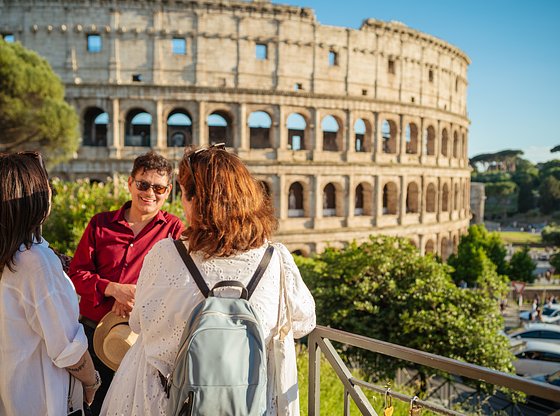
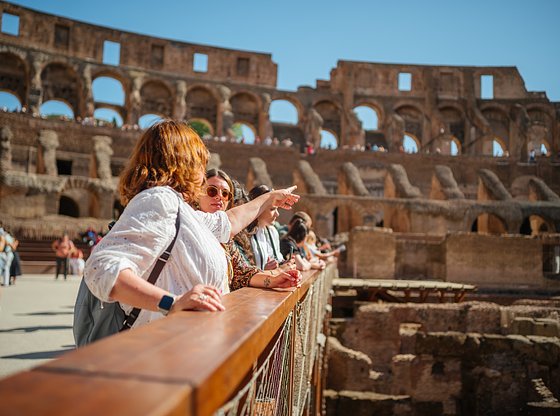
Most travelers find 3 to 5 days ideal for Rome. This allows time to explore major sites like the Colosseum, Vatican Museums, and historic neighborhoods, while still leaving space for slower moments—meals, wandering, and discovery.
Are Rome walking tours worth it?
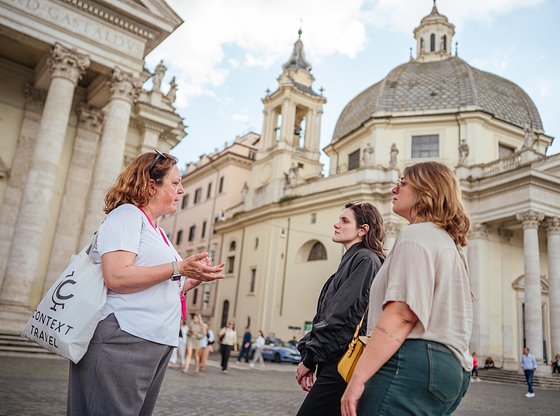
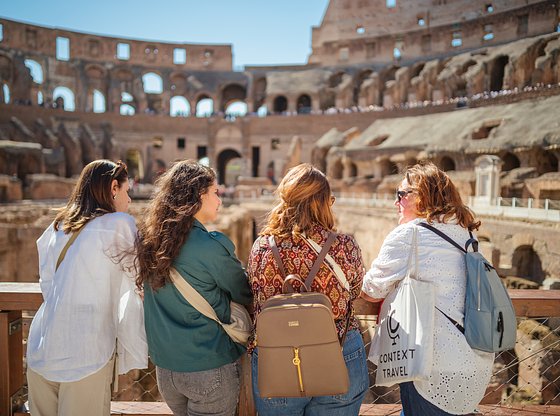
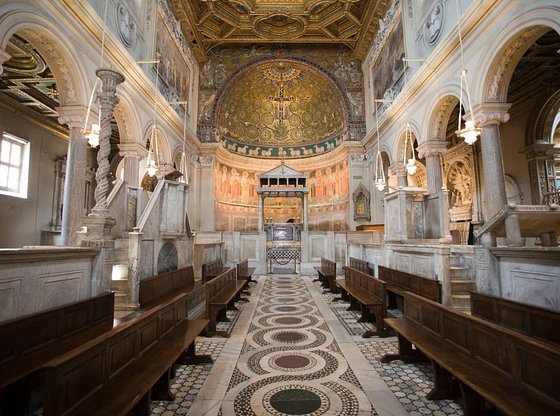
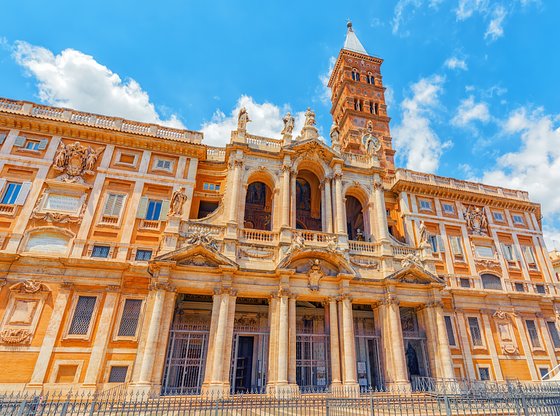
Yes. Rome’s history is dense and often invisible without context. Guided walking tours help travelers understand how ancient, medieval, and modern Rome overlap, turning ruins and churches into coherent stories rather than isolated sights.
Is Rome a walkable city?
Rome is highly walkable, especially within the historic center. While distances between major sites can be longer than expected, walking is often the best way to experience the city’s layers, details, and unexpected connections.
What is the best way to see Rome for the first time?
A guided orientation or city overview tour is one of the best ways to start. It helps you understand Rome’s geography, timelines, and cultural rhythms, making the rest of your visit more meaningful and easier to navigate.
Are private tours better than group tours?
Private tours offer flexibility, customization, and deeper discussion, especially for travelers with specific interests in art, archaeology, or history. Small-group tours can also work well when they are intentionally capped and led by expert guides.
Do I need skip-the-line tickets in Rome?
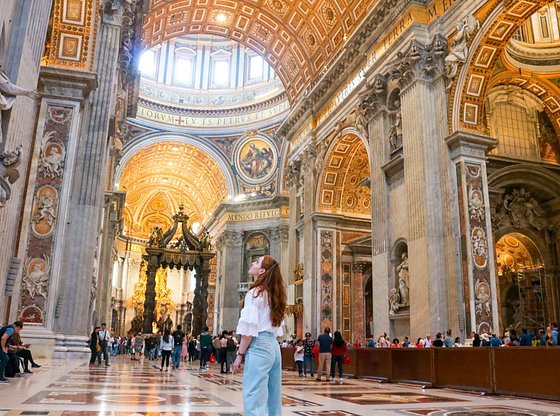
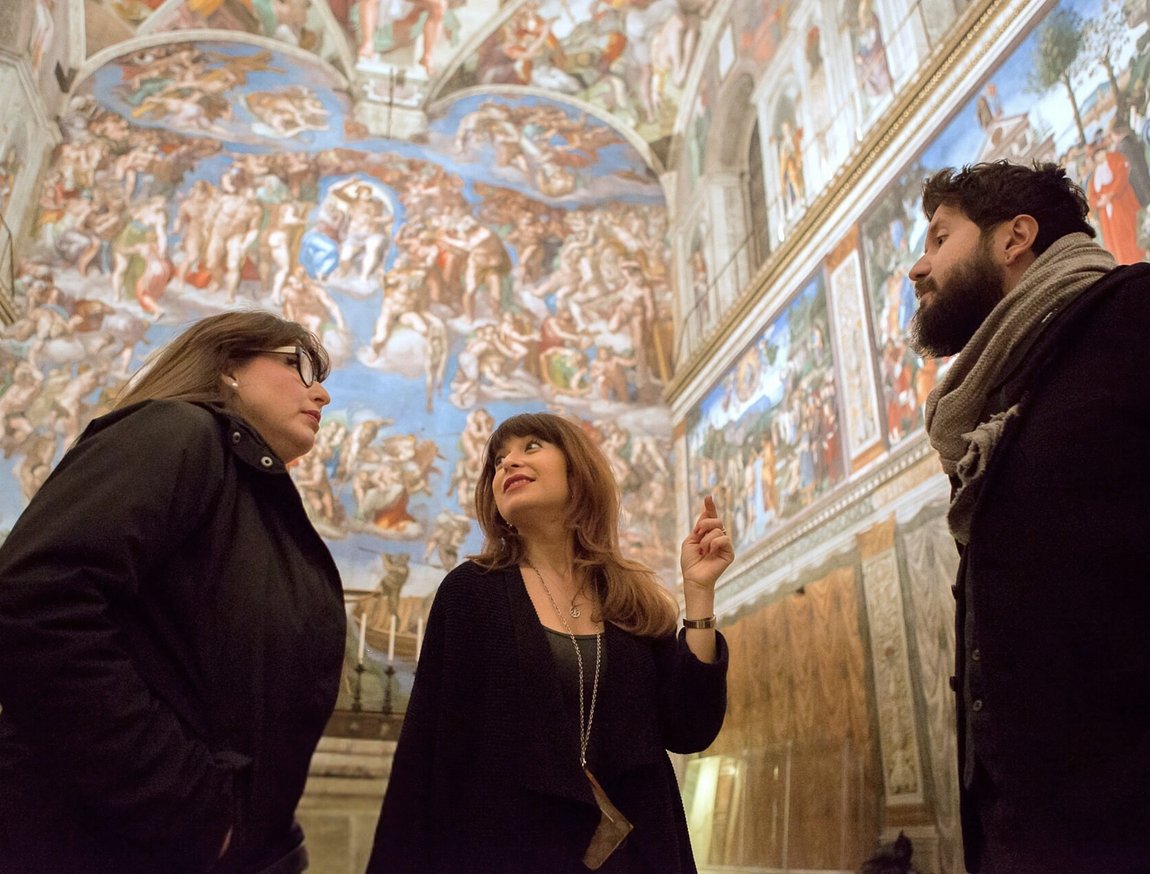
For popular sites such as the Colosseum, Vatican Museums, and St. Peter’s Basilica, advance tickets are strongly recommended, particularly during peak travel seasons. Guided tours often include timed entry to reduce waiting.
Is Rome suitable for families?
Yes. Rome is a rewarding destination for families when experiences are paced thoughtfully. Family-friendly walking tours use storytelling and observation to engage children while still offering depth for adults.
Is Rome safe for travelers?
Rome is generally safe, especially in central areas frequented by visitors. As with any major city, travelers should be mindful of their belongings in crowded areas. Local guides can also help navigate neighborhoods confidently and responsibly.
What language is spoken in Rome?
Italian is the primary language spoken in Rome. While English is widely understood in tourism settings, learning a few basic Italian phrases is appreciated and can enhance daily interactions.
What is the best time of year to visit Rome?
Spring (April–May) and fall (September–October) are often considered the best times to visit, offering comfortable weather and fewer crowds than summer. Winter is quieter and ideal for museum-focused travel, while summer brings longer days but heavier tourism.