Rome Private Guided Walking Tours
Discover the Eternal City with Context Travel's Rome Tours
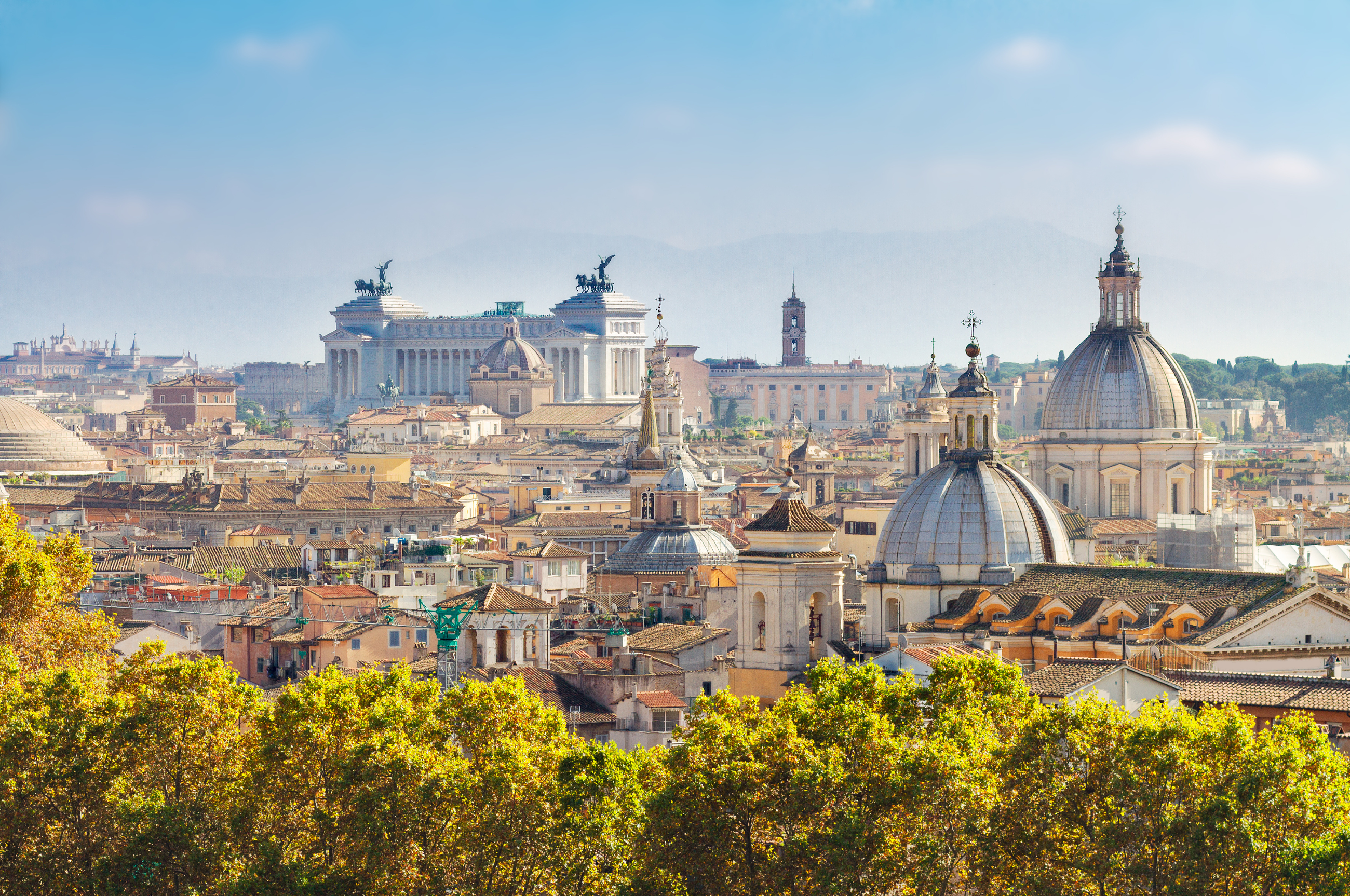
Situated along the Tiber River in central Italy, Rome is a city built in layers, where ancient, medieval, Renaissance, and modern worlds coexist. As the center of the Roman Empire and later the Catholic Church, Rome shaped Western politics, art, architecture, and religion for more than two millennia. Today, travelers visit Rome to understand this long arc of history while experiencing a living city defined by daily rituals, food culture, and neighborhood life.
Why Choose Context Travel for Your Rome Walking Tour?
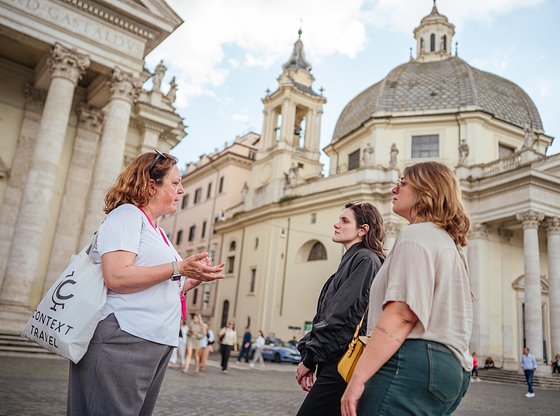
Context Travel crafts small group and private walking tours for those who seek connection over checklists. Designed for history buffs, art enthusiasts, food lovers, and curious travelers, our tours are led by local scholars—historians, archaeologists, or art historians—who transform each site into a narrative. Limited to six to ten guests, our experiences ensure intimate, engaging exploration with skip-the-line access to maximize your time.
As a Certified B Corp since 2011, we’re committed to sustainable tourism, understanding the impact of visitors on Rome’s historic fabric. By maintaining small groups, collaborating with local communities, and adhering to responsible tour standards, we ensure our Rome private tours preserve the city’s cultural heritage for future generations.
What Is Rome Known For?
Rome is known as the Eternal City for good reason. With more than 2,500 years of continuous history, it is one of the world’s most layered urban landscapes, where ancient temples, Renaissance palaces, Baroque churches, and modern neighborhoods coexist within a single walk.
At its core, Rome is known for being:
- The heart of the Roman Empire, whose engineering, law, and urban planning shaped much of Europe and the Mediterranean world
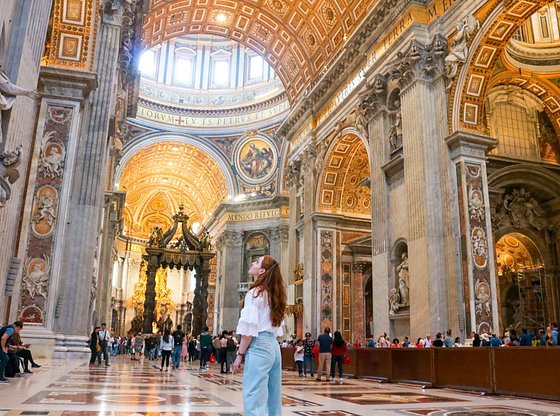
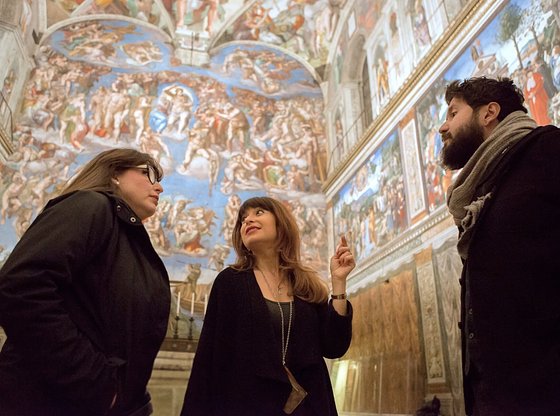
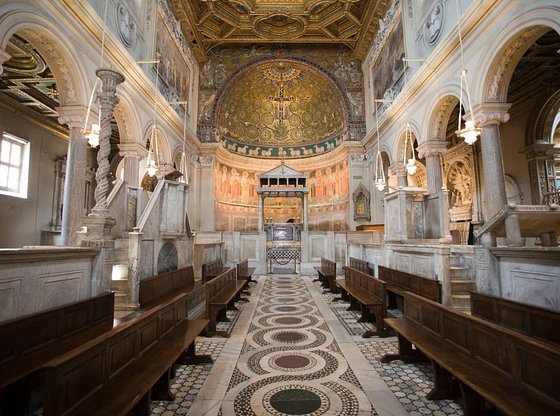
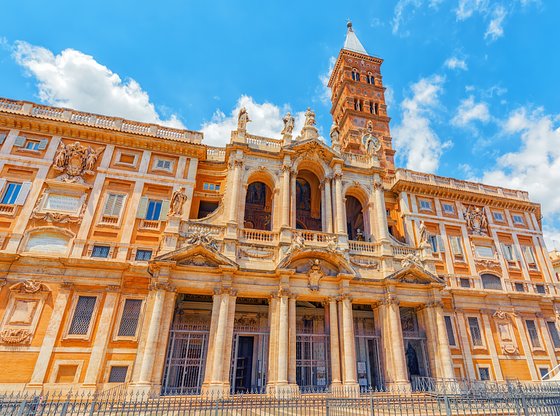
- The seat of the Catholic Church, home to the Vatican, St. Peter’s Basilica, and centuries of religious art and architecture
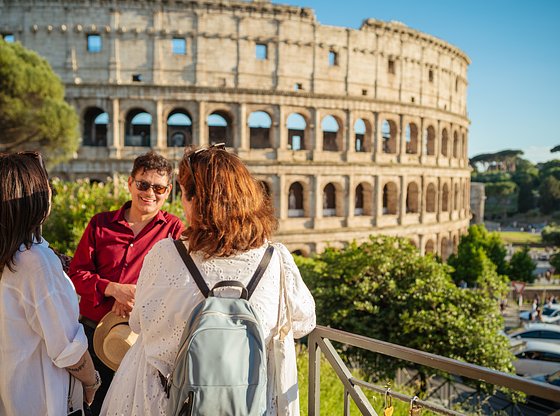
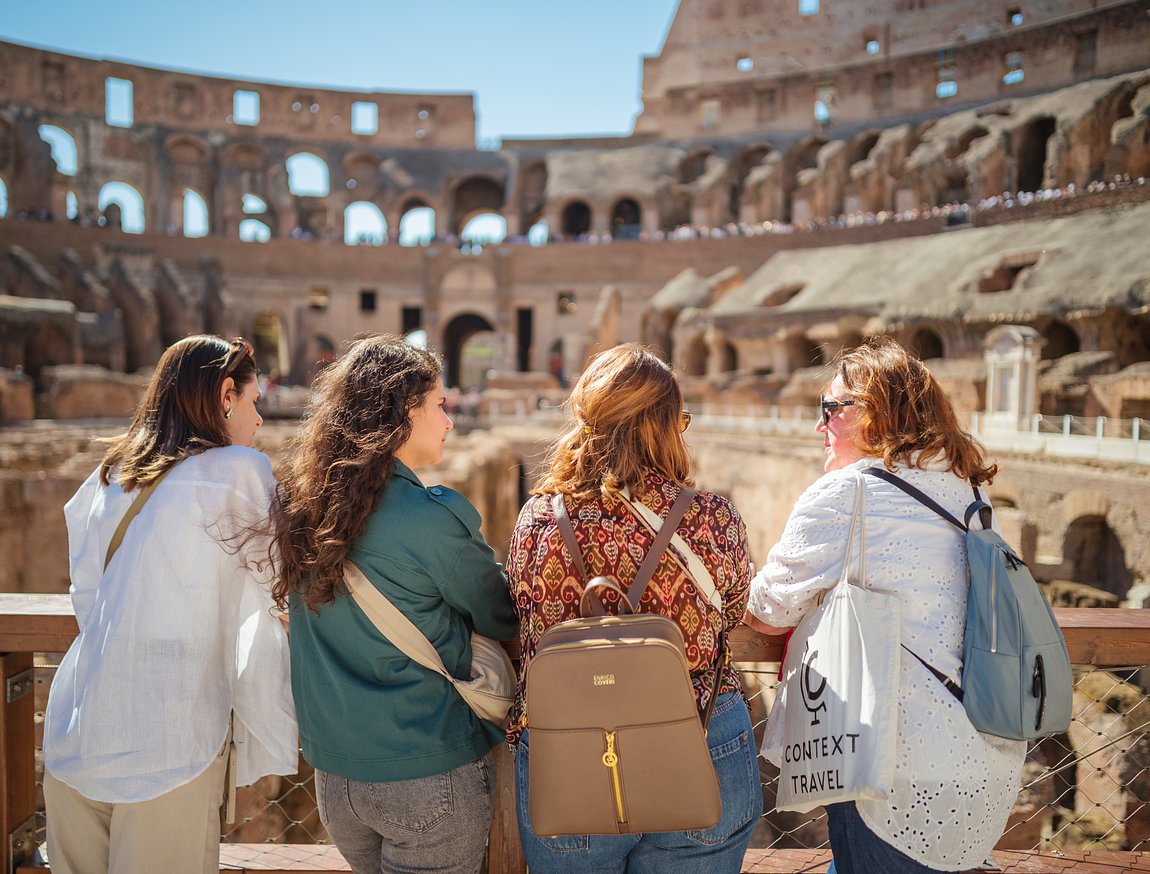
- An open-air museum, where landmarks like the Colosseum, Roman Forum, Pantheon, and Piazza Navona are part of daily life
- A city of storytelling, where political power, art, mythology, and everyday ritual are deeply intertwined
Rome is also known for how history lives at street level. Laundry hangs beside ancient columns. Espresso bars sit atop imperial ruins. A single square might reveal layers from pagan Rome, medieval Christianity, and modern Italy all at once.
Beyond monuments, Rome is celebrated for its food culture. Simple, seasonal dishes rooted in local tradition that value conversation, ritual, and continuity. Understanding Rome means learning not just what happened here, but how the past still shapes the present, which is why expert-led walking tours are so effective in this city.
Are Guided Tours in Rome Worth it?
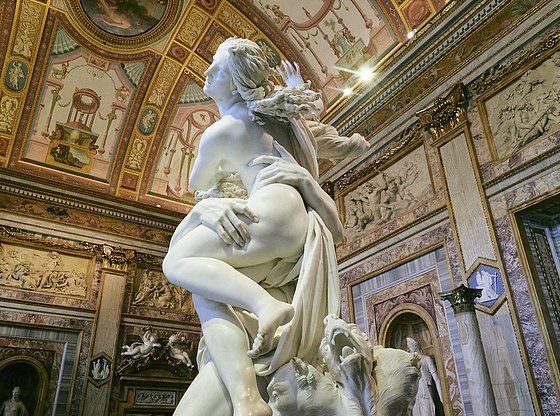
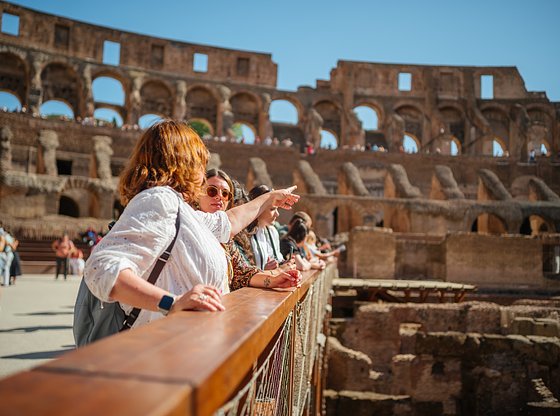
We may be biased, but yes! Rome guided tours are worth it for travelers seeking depth over checklists. Rome’s complex history, spanning its founding by Romulus and Remus, the Roman Empire’s rise, and centuries of art and faith, can feel overwhelming without a little "context". Our walking tours with a local expert illuminate hidden details, like the engineering of the Colosseum or the symbolism in Bernini’s sculptures, making your visit richer and more memorable. Context’s small group sizes offer personalized insights, skip-the-line access, and engaging storytelling, ensuring you connect with Rome’s soul rather than just its sights.
How to Tour Rome?
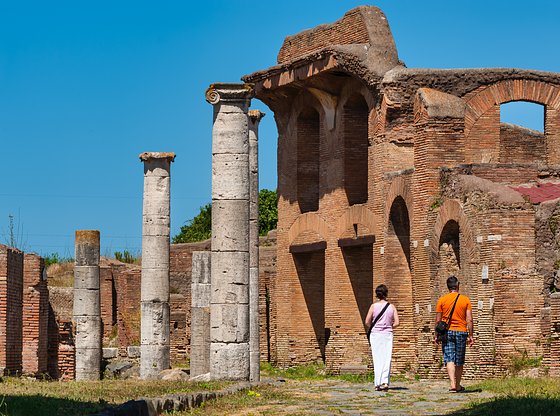
To tour Rome effectively, prioritize expert-led experiences that balance iconic landmarks with lesser-known gems. Start by exploring iconic sites like the Colosseum, the Vatican, and the Roman Forum, where historians bring these sites to life. Include a food tour to savor Rome’s culinary heritage and consider day trips to Ostia Antica for a quieter glimpse into ancient life. Context Travel’s Rome guided tours handle logistics like skip-the-line tickets, allowing you to focus on learning and reflection. For flexibility, our audio guides offer self-paced exploration with expert narration.
Top Experiences with Context Travel in Rome
Ancient Rome & Archaeology
Rome’s ancient sites are best understood through historical context and interpretation.
Art, Architecture & the Vatican
Rome’s artistic legacy spans pagan, Christian, and humanist traditions.
Neighborhoods & Daily Life
Beyond major monuments, Rome reveals itself through its neighborhoods.
- Walking tours through districts such as Trastevere to explore social history and local rhythms
- City orientation tours connecting geography, infrastructure, and daily life
Food & Culinary Culture
Roman food reflects history, seasonality, and social tradition.
- Market and food-focused walking tours explaining Roman dishes and ingredients
- Culinary discussions linking food to migration, religion, and class
Family & Independent Travel
Rome offers adaptable ways to explore across ages and travel styles.
- Interactive history tours designed specifically for children and families
- Audio guides for independent travelers seeking expert context at their own pace
Practical Planning Information
Rome is best visited in spring (April–May) and fall (September–October), when temperatures are moderate and walking conditions are more comfortable. Most travelers spend 3–5 days in the city to balance major sites with neighborhood exploration.
Rome is a walkable city, though distances can be long and streets uneven. Public transportation includes buses, trams, and metro lines. Italian is the primary language, and the euro (€) is the local currency.
Actively planning a trip to Rome? Grab our FREE Rome Travel Guide here.
Why Context Travel Stands Out?
Expert Guides: Our scholars—historians, archaeologists, or art historians—bring academic rigor and personal passion, ensuring authoritative, engaging narratives.
Intimate Groups: With a maximum of six to ten guests, you enjoy personalized attention and meaningful dialogue. You won't be following a silly flag!
Skip-the-Line Access: Maximize your time at iconic sites like the Vatican and Colosseum, bypassing long queues.
Thoughtful Design: Each Rome walking tour is crafted to foster curiosity, blending iconic landmarks with hidden stories for a deeper connection.
Family-Friendly Options: Tours like Ancient Rome for Kids use interactive methods to captivate young minds, ensuring everyone learns and enjoys.
Cultural Immersion: From food tours to day trips, we weave Rome’s history, art, and cuisine into experiences that resonate with curious travelers.
Why Explore Rome with Context Travel?
Rome’s story began as a humble settlement on the Tiber River, growing into a republic and empire that shaped Western civilization. Today, its ruins, churches, and trattorias reflect layers of conquest, faith, and resilience. Whether you’re tracing the steps of emperors, admiring Renaissance masterpieces, or savoring traditional Roman food, our Rome private walking tours offer a lens into this extraordinary city. Let Context Travel guide you through Rome’s past and present with curiosity and care.
Frequently Asked Questions About Visiting Rome
How many days do you need in Rome?
Most travelers find 3 to 5 days ideal for Rome. This allows time to explore major sites like the Colosseum, Vatican Museums, and historic neighborhoods, while still leaving space for slower moments—meals, wandering, and discovery.
Are Rome walking tours worth it?
Yes. Rome’s history is dense and often invisible without context. Guided walking tours help travelers understand how ancient, medieval, and modern Rome overlap, turning ruins and churches into coherent stories rather than isolated sights.
Is Rome a walkable city?
Rome is highly walkable, especially within the historic center. While distances between major sites can be longer than expected, walking is often the best way to experience the city’s layers, details, and unexpected connections.
What is the best way to see Rome for the first time?
A guided orientation or city overview tour is one of the best ways to start. It helps you understand Rome’s geography, timelines, and cultural rhythms, making the rest of your visit more meaningful and easier to navigate.
Are private tours better than group tours?
Private tours offer flexibility, customization, and deeper discussion, especially for travelers with specific interests in art, archaeology, or history. Small-group tours can also work well when they are intentionally capped and led by expert guides.
Do I need skip-the-line tickets in Rome?
For popular sites such as the Colosseum, Vatican Museums, and St. Peter’s Basilica, advance tickets are strongly recommended, particularly during peak travel seasons. Guided tours often include timed entry to reduce waiting.
Is Rome suitable for families?
Yes. Rome is a rewarding destination for families when experiences are paced thoughtfully. Family-friendly walking tours use storytelling and observation to engage children while still offering depth for adults.
Is Rome safe for travelers?
Rome is generally safe, especially in central areas frequented by visitors. As with any major city, travelers should be mindful of their belongings in crowded areas. Local guides can also help navigate neighborhoods confidently and responsibly.
What language is spoken in Rome?
Italian is the primary language spoken in Rome. While English is widely understood in tourism settings, learning a few basic Italian phrases is appreciated and can enhance daily interactions.
What is the best time of year to visit Rome?
Spring (April–May) and fall (September–October) are often considered the best times to visit, offering comfortable weather and fewer crowds than summer. Winter is quieter and ideal for museum-focused travel, while summer brings longer days but heavier tourism.